Will Your Degree Matter in 10 Years?
AI is changing how we work, but it isn’t taking away all the jobs. While simple tasks will be done by machines, “human” skills like talking to people and solving complex problems will become more valuable than ever.
The Reality Check
Imagine spending four years and thousands of dollars on a degree, only to find out a computer can do your job in five seconds. It is a scary thought that many of us have at night. Is your current career actually “AI proof,” or are you just waiting to be replaced?
We can all agree that the world is changing fast and it feels hard to keep up. By the end of this article, you will see exactly where the jobs are going and how you can stay ahead. We will look at real numbers, which roles are safe, and the one skill you must learn today.
1. The Big Numbers: What the Experts Say
A famous report by Goldman Sachs (2024) says that AI could affect 300 million jobs around the world. This sounds like bad news, but there is a bright side.
The World Economic Forum explains that while some jobs will go away, 97 million new types of jobs will be created. The problem isn’t that there is no work; the problem is that the work is becoming different.
2. Who is at Risk?
AI is very good at doing things that follow a pattern. This means some jobs are in the “Danger Zone”:
- Data Entry and Basic Math: Machines are much faster and don’t make mistakes.
- Simple Writing and Research: AI can summarize a 100 page book in seconds.
However, jobs that need “Human Touch” are very safe. For example, a nurse, a therapist, or even a skilled plumber cannot be replaced by AI because their work is different every single day.
3. The Shift in Skills
In the past, you were hired because you knew how to use a specific tool or software. Today, that is not enough. LinkedIn’s 2024 data shows that “Soft Skills” like being a good leader and communicating well are now the most wanted skills by companies.
If a machine can give you the data, the company needs you to explain what that data means for the business. This is called Insight, and it is something AI still struggles with.
4. The Real Problem: It’s Not AI, It’s Speed
Here is the main point: The real problem isn’t AI taking your job; it’s how fast you can learn. In the old days, you learned a skill once and used it for 30 years. Now, a technical skill only lasts for about 5 years before it becomes old. We are moving to a world where “Learning how to learn” is the most important thing you can do.
5. How to Stay Safe in the AI Era
You don’t need to be a computer genius to survive. You just need to follow these three steps:
- Be a “Prompt” Master: Learn how to talk to AI. Treat it like a very smart assistant that helps you work faster.
- Work on your EQ: Focus on emotional intelligence. Being able to understand and help people is a “Superpower” that machines don’t have.
- Micro-Learning: Spend just 20 minutes a day reading about new tools in your industry.
Conclusion: Your Human Advantage
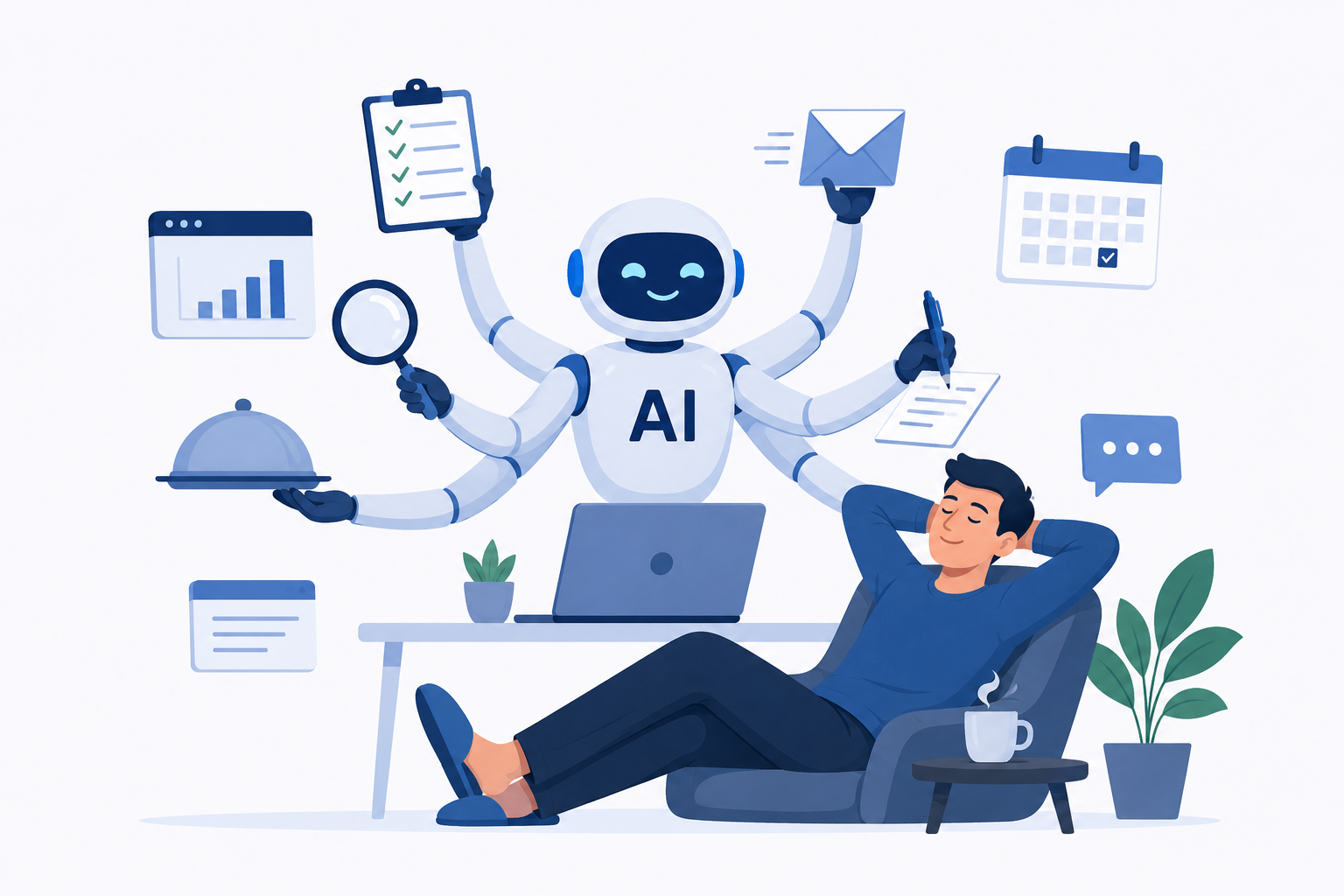
AI is not the end of careers; it is just a new chapter. While machines will take over the boring parts of our jobs, we will be free to do the more interesting and creative parts.
The best way to protect your future is to stay curious. Use AI to do the “robotic” work, so you can focus on being the best human you can be. Start today, and you won’t just survive the AI era you will lead it.